
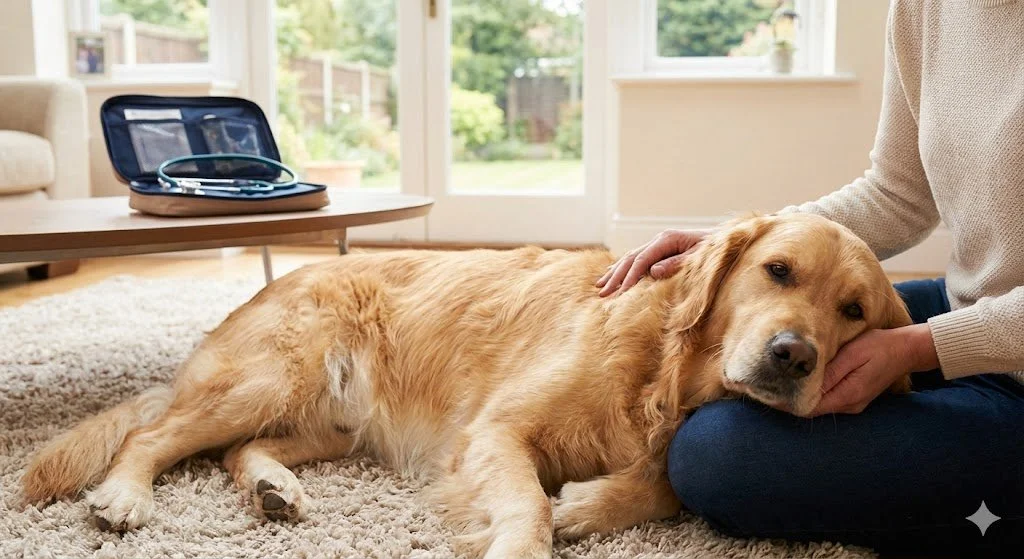
Winter Comfort for Paws: Managing Senior Pet Arthritis at Home
As the weather gets colder, you might notice your dog taking longer to get up from their bed, or your cat hesitating before jumping onto their favorite windowsill. In 2026, we know that cold weather doesn't just make pets "slow down"—it makes existing joint inflammation feel sharper.
My aim is to alleviate that discomfort and give you the best treatment options that is safe for your pet and that will improve your pet’s joint mobility this coming Winter.
Here are some symptoms to look out for
The "Warm-Up" Walk: Taking several stiff steps before moving normally.
Stair Avoidance: Hesitating at the bottom of stairs or needing a "boost" into the car.
Over-Grooming: Licking at specific joints (wrists, hips, or ankles) to soothe the ache.
The "Grumpy" Shift: Cats may become more irritable when touched, or dogs may stop seeking out play.
Some Modern treatments for 2026
Monoclonal Antibody Therapy (mAbs): Monthly injections (like Bedinvetmab for dogs or Frunevetmab for cats) that specifically target Nerve Growth Factor (NGF). These have revolutionized pet pain management in 2026 by offering long-term relief with minimal side effects.
Pentosan Injections: These work directly on the joint to help protect, rebuild, and lubricate the cartilage.
Neutraceuticals: High-quality supplements like Omega-3 concentrates and green-lipped mussel extracts provide essential anti-inflammatory support from within.
NSAIDs: Traditional anti-inflammatories are excellent for acute pain. We can perform on-site bloodwork to ensure these medications are safe for your pet’s long-term use.
How to Get Started
Every pet’s pain is unique, and a "one-size-fits-all" approach rarely works for arthritis. Whether you are interested in the latest mAbs injections or need a tailored mobility plan, the first step is a stress-free home assessment.
Book an In-Home Consultation: We will observe your pet in their natural environment, assess their gait on your floors, and discuss which treatments (or combination of therapies) are safest for them.
Existing Clients: If your pet is already on a plan and you’ve noticed a "winter flare-up," call us to adjust their dosage or add a supplemental therapy for the colder months.
Some more tips to manage arthritis at home
Heater orthopaedic beds - Provides consistent warmth to prevent "morning stiffness." Ensure the bed is low-profile so they don't have to "climb" in.
Non Slip surfaces - Cold hardwood or tile is a slip hazard for arthritic paws. Laying down yoga mats or runners creates a "safe path."
Weight management - Pets move less in winter but often eat the same. Even a 5% weight loss can significantly reduce the load on painful joints.